Vastu for Home: The Ultimate Room-by-Room Guide for Health, Wealth & Happiness (2026)
Complete Vastu for home guide covering every room—kitchen, bedroom, bathroom, pooja room & more. Expert tips, remedies & free tools. Transform your space today!
In this guide
- Introduction: Why Your Home's Energy Matters
- The Five Elements (Pancha Maha Bhutas)
- The Vastu Purusha Mandala: Your Home's Energy Blueprint
- Directions and Their Ruling Energies
- Plot Selection and Site Analysis
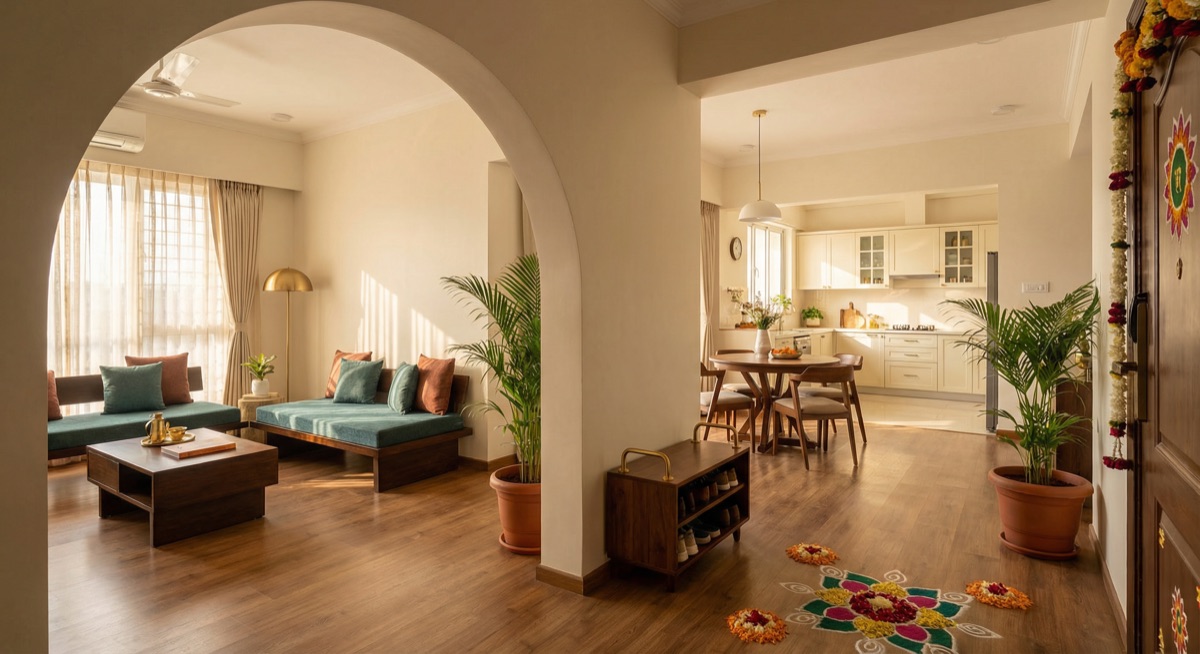
- Vastu Main Entrance (Simhadwara): The Mouth of Your Home
- The Brahmasthan: Your Home's Sacred Centre
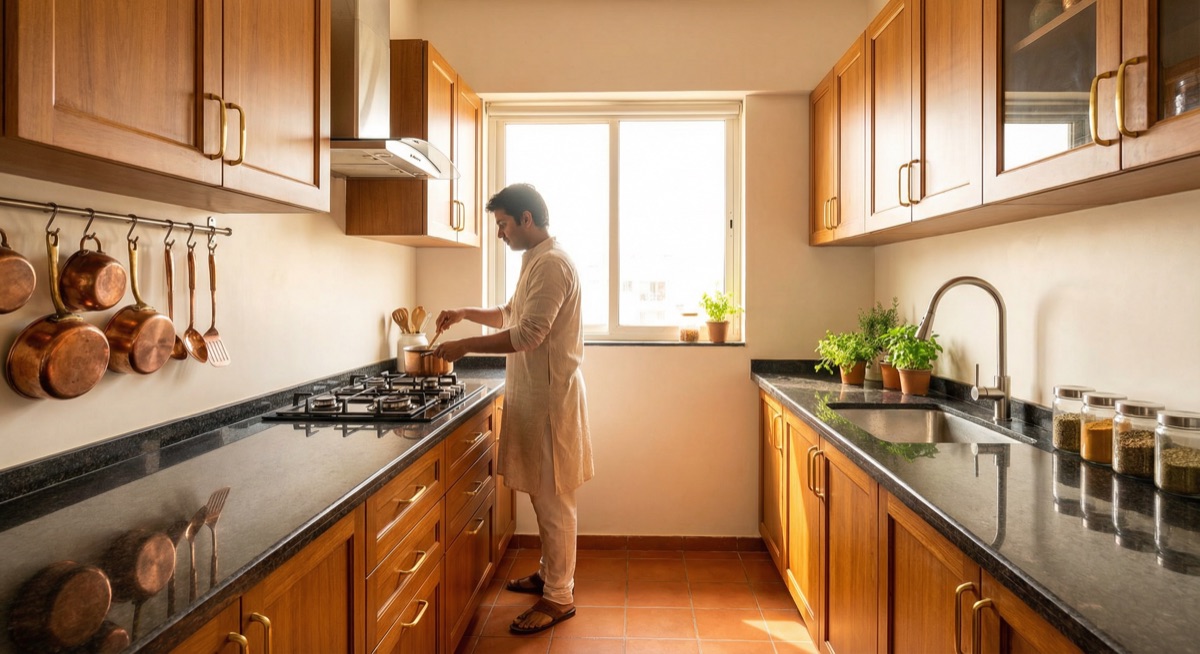
- Kitchen Vastu: The Fire Zone (Agni Sthana)
- Master Bedroom Vastu: Rest and Relationships
- Children's Room Vastu: Growth and Learning
- Guest Bedroom Vastu: Welcoming Energy
- Living Room Vastu: Social Harmony
- Dining Room Vastu: Nourishment and Unity
- Pooja Room Vastu: The Sacred Space (Devagriha)
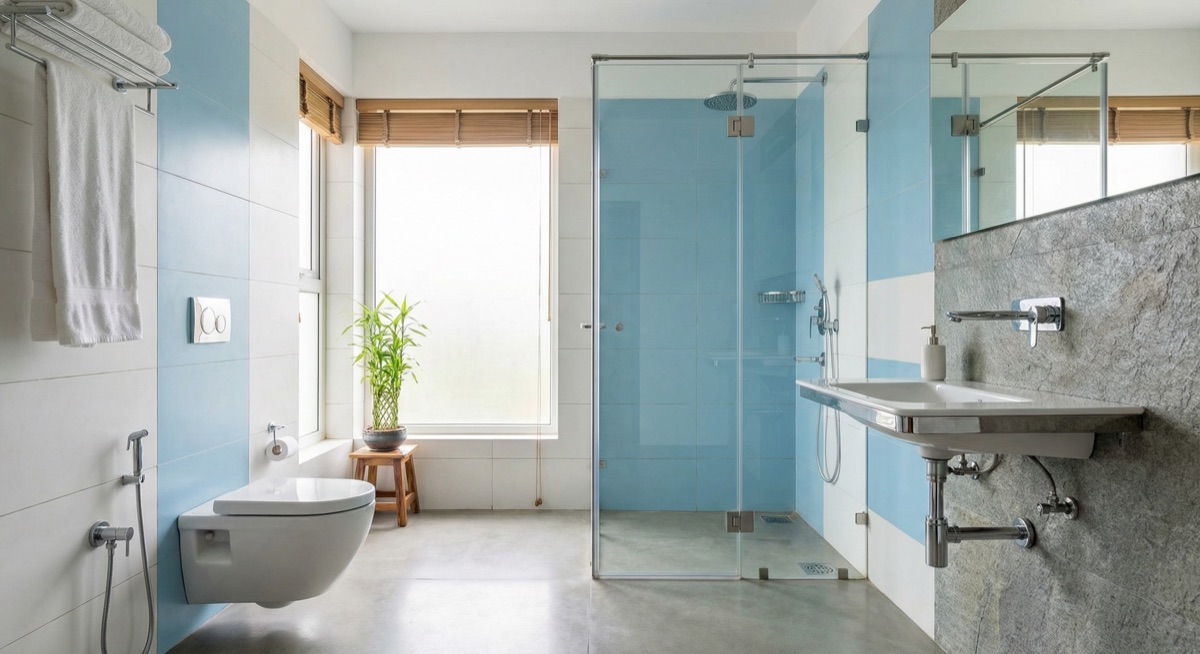
- Bathroom and Toilet Vastu: Managing Negative Energy
- Staircase Vastu: The Journey Upward
- Balcony and Terrace Vastu
- Water Elements: Tanks, Wells, and Features
- Vastu Remedies Without Demolition
- Apartment and Flat Vastu: Adapting for Modern Living
- Complete Room-by-Room Quick Reference
- Conclusion: Your Vastu Journey Begins
Vastu directions and elements
Introduction: Why Your Home's Energy Matters
Imagine walking into your home after a long day. Do you feel an immediate sense of peace washing over you? Or does something feel... off? Perhaps you've noticed unexplained sleep disturbances, persistent financial stress, or relationships that seem to struggle despite your best efforts.
Here's a startling fact: 93% of Indian home buyers consider Vastu compliance essential when purchasing property. Yet fewer than 1% can afford traditional Vastu consultations, which typically cost anywhere from ₹40,000 to ₹8,00,000 ($500-$10,000).
What if the layout of your rooms, where your bed faces, where your kitchen sits, which direction you cook in could be silently influencing your health, wealth, and happiness?
This isn't mysticism. It's Vastu Shastra, a 5,000-year-old Indian architectural science that maps the flow of cosmic and solar energies through your living space. Modern research increasingly supports what ancient sages knew: our built environment profoundly affects our physical health, mental clarity, and life outcomes.
In this comprehensive guide, you'll discover:
- The exact placement guidelines for every room in your home
- Why certain directions attract wealth while others drain it
- Practical remedies you can implement today—without breaking a single wall
- The science behind ancient wisdom
- How to identify and correct Vastu defects in any property
Whether you're building a new home, buying property, renovating, or simply rearranging furniture in a rental, this room-by-room guide will transform how you understand and interact with your living space.
What is Vastu Shastra?
The word "Vastu" derives from the Sanskrit root "Vas" meaning "to reside" or "to dwell." Shastra means "science" or "doctrine." Together, Vastu Shastra is the science of dwelling, in the ancient Indian knowledge system governing how humans should design, build, and inhabit spaces.
Dating back to the Atharva Veda (one of Hinduism's four sacred texts) and elaborated in classical treatises like Brihat Samhita, Mayamata, and Manasara, Vastu Shastra predates Chinese Feng Shui by several centuries.
The Core Philosophy
Vastu operates on a profound principle: your home is a living organism.
Just as your body has energy channels (nadis), vital points (marmas), and needs proper circulation to thrive, your home has energy pathways that must flow unobstructed for inhabitants to prosper.
The goal of Vastu is to create harmony between three spaces:
| Space | Represents | Connection |
|---|---|---|
| Inner Space | Human body and consciousness | Your physical and mental health |
| Outer Space | Cosmic forces and universal energy | Planetary influences, natural forces |
| Built Space | Your home or building | The interface between inner and outer |
When these three spaces align, you experience:
- Better physical health and sleep quality
- Improved mental clarity and reduced stress
- Enhanced financial flow and opportunities
- Stronger relationships and family harmony
- Spiritual growth and inner peace
The Science Behind the Ancient Wisdom
Skeptics often dismiss Vastu as superstition. However, modern science increasingly validates its core principles:
- Solar Energy Patterns Vastu's emphasis on East-facing entrances and activities aligns with circadian biology. Morning sunlight exposure (from the East) regulates melatonin production, improves mood, and enhances alertness.
- Earth's Magnetic Field Vastu's prohibition against sleeping with head toward North corresponds to biomagnetic research. The human body has its own weak magnetic field; sleeping aligned against Earth's magnetic flow (head North) may disturb blood circulation and sleep quality.
- Ventilation and Airflow Vastu's directional guidelines create natural cross-ventilation patterns. Northeast openings (low pressure, cool air) combined with Southwest closures create optimal airflow without mechanical systems.
- Psychological Impact of Space Environmental psychology confirms that spatial arrangement affects mood, productivity, and behaviour. Vastu's principles naturally create organised, light-filled, psychologically supportive environments.
The Five Elements (Pancha Maha Bhutas)
Everything in the universe—including your home and body—comprises five fundamental elements. Vastu Shastra maps these elements to specific directions, creating zones of elemental dominance.
The Element-Direction Matrix
| Element | Sanskrit | Direction | Zone Characteristics | Ideal Room/Feature |
|---|---|---|---|---|
| Water | Jal | North-East | Purification, new beginnings, fluidity | Pooja room, water features, borewells |
| Fire | Agni | South-East | Transformation, digestion, energy | Kitchen, electrical panels, boilers |
| Earth | Prithvi | South-West | Stability, grounding, permanence | Master bedroom, heavy storage, safes |
| Air | Vayu | North-West | Movement, change, circulation | Guest room, garage, bathroom |
| Space | Akasha | Centre | Expansion, connection, consciousness | Open courtyard, light-filled area |
Understanding Elemental Balance
When elements occupy their natural zones, energy flows harmoniously. When misplaced, conflicts arise:
Fire in Water Zone (Kitchen in North-East) Creates severe financial problems, health issues especially for women, and spiritual disconnection. The opposing elements clash destructively.
Water in Fire Zone (Bathroom in South-East) Diminishes digestive fire, causes accidents, creates conflicts. Water extinguishes the fire element's transformative power.
Heavy Earth Elements in Air Zone Stagnates the movement energy, causing delayed decisions, missed opportunities, and restless inhabitants.
Practical Element Applications
| Element | Enhancement Methods | Balancing Tools |
|---|---|---|
| Water | Aquariums, fountains, blue colours, wavy patterns | Use in N, NE, E zones only |
| Fire | Red accents, triangular shapes, bright lighting, candles | Strengthen in SE; avoid in NE |
| Earth | Yellow/brown colours, square shapes, heavy furniture, stones | Maximize in SW; minimize in NE |
| Air | Wind chimes, white/grey colours, proper ventilation, moving objects | Activate in NW; ensure flow throughout |
| Space | Open areas, skylights, minimal clutter, high ceilings | Preserve in centre; avoid blocking |

The Vastu Purusha Mandala: Your Home's Energy Blueprint
The Vastu Purusha Mandala is perhaps the most profound concept in Vastu Shastra—a sacred geometric grid that transforms any plot of land into a living, breathing energy map.
The Legend of Vastu Purusha
According to ancient texts, there once existed a formless cosmic being of immense power. This being grew so large that it blocked both heaven and earth, causing chaos in the universe.
Lord Brahma, the creator, summoned 45 deities to subdue this being. Together, they pinned the cosmic entity face-down onto the earth, with:
- Head in the North-East (the most sacred, conscious zone)
- Feet in the South-West (requiring weight and grounding)
- Body spanning the entire plot
This cosmic being became the Vastu Purusha—the spirit dwelling in every plot of land. The 45 deities who pinned him down now govern specific zones of every property.
The Grid System
The Vastu Purusha Mandala divides any space into a sacred geometric grid:
| Grid Type | Squares | Primary Use |
|---|---|---|
| Sakala (1×1) | 1 | Single small structures |
| Pechaka (2×2) | 4 | Small shrines |
| Mahapitha (3×3) | 9 | Altars, small homes |
| Manduka (8×8) | 64 | Temples, large residences |
| Paramasayika (9×9) | 81 | Ideal for residential buildings |
| Asana (10×10) | 100 | Palaces, large complexes |
For residential Vastu, the Paramasayika (9×9 = 81 squares) grid is most commonly applied.
Key Zones in the Mandala
Brahma Sthana (Centre 9 Squares) The navel of Vastu Purusha—the Brahmasthan. This area must remain open, light, and free from heavy construction. Toilets, kitchens, or pillars here cause severe problems for all family members.
Marma Points (Vital Energy Points) Just as acupuncture identifies vital points on the human body, Vastu identifies marma points in structures. These sensitive zones must never be pierced by pillars, walls, or heavy construction:
- Central Brahmasthan Marma
- Diagonal intersections at cardinal points
- Corner transition zones
Deity Positions Each square in the grid is governed by a specific deity:
| Deity | Position | Influence |
|---|---|---|
| Brahma | Centre | Overall harmony, cosmic connection |
| Agni | South-East | Fire element, transformation |
| Yama | South | Fame, legal matters, death |
| Nairuti | South-West | Stability, ancestors, protection |
| Varuna | West | Water element, gains |
| Vayu | North-West | Air element, movement |
| Kubera | North | Wealth, opportunities |
| Ishana (Shiva) | North-East | Spirituality, wisdom |
| Indra | East | Health, social connections |
Directions and Their Ruling Energies
Understanding directions is fundamental to Vastu. Each of the eight cardinal directions radiates specific energy governed by cosmic deities and planetary influences.
The Eight Directions (Ashtadikpala)
| Direction | Sanskrit | Ruling Deity | Planet | Primary Influence | Ideal For |
|---|---|---|---|---|---|
| North | Uttara | Kubera | Mercury | Wealth, career, opportunities | Living room, cash storage, business dealings |
| North-East | Ishanya | Shiva/Ishana | Jupiter | Spirituality, wisdom, water | Pooja room, meditation, water elements |
| East | Purva | Indra | Sun | Health, vitality, social status | Main entrance, living areas |
| South-East | Agneya | Agni | Venus | Fire, transformation, energy | Kitchen, electrical, generators |
| South | Dakshina | Yama | Mars | Fame, recognition, strength | Storage, heavy items, legal documents |
| South-West | Nairutya | Nairuti/Pitru | Rahu | Stability, relationships, ancestors | Master bedroom, safes, owner's quarters |
| West | Paschima | Varuna | Saturn | Gains, profits, completion | Dining room, children's room, study |
| North-West | Vayavya | Vayu | Moon | Movement, change, circulation | Guest room, garage, bathroom |
The 16 Vastu Zones (MahaVastu Concept)
Modern Vastu practitioners often use a more granular 16-zone analysis for precise recommendations:
| Zone | Direction Code | Governs | Defect Symptoms |
|---|---|---|---|
| North | N | Career, cash flow | Financial blocks, job instability |
| North-North-East | NNE | Health, immunity | Chronic illness, slow recovery |
| North-East | NE | Clarity, wisdom | Confusion, poor decisions |
| East-North-East | ENE | Fun, recreation | Joylessness, depression |
| East | E | Social connections | Isolation, poor relationships |
| East-South-East | ESE | Churning, anxiety | Overthinking, restlessness |
| South-East | SE | Cash liquidity | Money comes and goes quickly |
| South-South-East | SSE | Confidence | Low self-esteem, fear |
| South | S | Fame, recognition | Obscurity, legal troubles |
| South-South-West | SSW | Disposal, waste | Inability to let go, hoarding |
| South-West | SW | Relationships, skills | Marital issues, instability |
| West-South-West | WSW | Education, savings | Learning difficulties, no savings |
| West | W | Gains, children | Losses, fertility issues |
| West-North-West | WNW | Depression, banking | Mental health, financial issues |
| North-West | NW | Support, networking | Lack of help, isolation |
| North-North-West | NNW | Attraction, intimacy | Relationship coldness |
Plot Selection and Site Analysis
Before examining rooms, Vastu begins with the land itself. The plot's shape, slope, and soil determine the foundation of all energy patterns.
Ideal Plot Shapes
| Shape | Vastu Rating | Effect | Recommendation |
|---|---|---|---|
| Square | ★★★★★ | Perfect elemental balance | Ideal for all purposes |
| Rectangle (N-S longer) | ★★★★☆ | Good energy flow | Excellent for residences |
| Rectangle (E-W longer) | ★★★☆☆ | Acceptable with remedies | Workable |
| L-Shaped | ★★☆☆☆ | Missing corner energy | Requires significant remedies |
| Triangular | ★☆☆☆☆ | Unstable, accident-prone | Avoid if possible |
| Circular | ★★☆☆☆ | Difficult Vastu application | Better for commercial |
| Irregular | ★☆☆☆☆ | Unpredictable patterns | Major remedies needed |
Plot Extensions and Cuts
Extensions and cuts in plot boundaries significantly impact specific life areas:
| Extension/Cut Location | Effect |
|---|---|
| North-East Extension | Highly auspicious—amplifies prosperity, wisdom |
| North-East Cut | Very inauspicious—financial ruin, health issues |
| South-West Extension | Destabilises household head, relationship problems |
| South-West Cut | Actually beneficial—reduces negative weight |
| South-East Extension | Fire accidents, conflicts, female health issues |
| North-West Extension | Enemies, legal troubles, unstable guests |
The Golden Rule of Slope
"High South-West, Low North-East"
Ground should naturally slope from South-West toward North-East. This fundamental principle:
- Allows solar energy (East) to flow into the property
- Enables cosmic energy (North) to enter and circulate
- Creates natural water drainage toward auspicious directions
- Provides stability (high SW) while receiving blessings (low NE)
Reverse slopes (High NE, Low SW) cause:
- Financial drainage—wealth "flows away"
- Health deterioration
- Instability in all family matters
- Obstacles in every endeavour
Soil Analysis (Bhumi Pariksha)
Ancient texts prescribe soil examination before construction:
The Pit Test:
- Dig a pit one cubit deep (approximately 18 inches)
- Remove all soil, then refill the pit
- Observe the result:
| Result | Interpretation | Recommendation |
|---|---|---|
| Soil overflows pit | Excellent—prosperity assured | Proceed with construction |
| Soil fills exactly | Moderate results expected | Acceptable |
| Soil falls short | Inauspicious—energy drain | Remediation required |
Vastu Main Entrance (Simhadwara): The Mouth of Your Home
The main entrance is called Simhadwara—the lion's gate—because it guards your home's energy like a lion guards its territory. It's considered the "mouth" through which your dwelling breathes life force.
The Pada System: Finding Your Auspicious Entry Point
Each wall is divided into 9 Padas (segments). Only certain Padas are auspicious for entrances:
East Wall Entrances (Most Auspicious)
| Pada | Name | Position | Effect |
|---|---|---|---|
| 1 | Shikhi | Extreme S of E | Inauspicious—fire fears |
| 2 | Parjanya | Moderate—mixed results | |
| 3 | Jayanta | Excellent—victory, success | |
| 4 | Indra | Centre | Best—prosperity, authority |
| 5 | Surya | Good—health, recognition | |
| 6 | Satya | Moderate—truth, delays | |
| 7 | Bhrisha | Inauspicious—fear | |
| 8 | Akash | Neutral | |
| 9 | Anil | Extreme N of E | Inauspicious—instability |
North Wall Entrances (Excellent)
| Pada | Name | Effect |
|---|---|---|
| 4 | Mukhya | Best—primary wealth entrance |
| 5 | Bhallata | Excellent—financial gains |
West Wall Entrances (Acceptable)
| Pada | Name | Effect |
|---|---|---|
| 4 | Pushpdanta | Good—fame, recognition |
South Wall Entrances (Requires Caution)
| Pada | Name | Effect |
|---|---|---|
| 4 | Gruhakshata | Only acceptable South pada |
| All others | Various | Inauspicious—require remedies |
Entrance Obstacles (Vastu Vedh)
The path to your main entrance must be free from Vedh (obstructions):
| Vedh Type | Obstruction | Effect | Remedy |
|---|---|---|---|
| Dwar Vedh | Pole, pillar, tree directly facing door | Blocks opportunities, health issues | Remove or plant screen hedge |
| Koop Vedh | Well, pit, depression in front | Financial losses, accidents | Fill or cover |
| Mandir Vedh | Temple shadow on door | Spiritual conflicts | Adjust timing or add screen |
| Marg Vedh | Road hitting entrance (T-junction) | Accidents, violence energy | Vastu pyramids, Bagua mirror |
| Stambh Vedh | Electrical pole in front | Electronic/fire issues | Earth the energy with plants |
Door Specifications
| Aspect | Ideal | Avoid |
|---|---|---|
| Size | Largest door in home | Smaller than interior doors |
| Opening | Inward, clockwise (to the left) | Outward opening |
| Material | Solid wood (teak, rosewood) | All-metal doors |
| Threshold | Present—raised wooden/stone | No threshold |
| Panels | Double doors preferred | Single narrow door |
| Condition | Smooth, silent operation | Creaking, sticking, broken |
| Decoration | Auspicious symbols (Om, Swastik) | Negative imagery |
The Brahmasthan: Your Home's Sacred Centre
The Brahmasthan represents the navel of the Vastu Purusha—the point where cosmic energy concentrates before distributing throughout the structure. In classical Indian homes, this was the open courtyard (Aangan) connecting earth to sky.
Traditional Design: The Central Courtyard
Ancient Indian homes featured courtyards at their heart:
- Direct cosmic connection through open sky
- Natural light reaching all surrounding rooms
- Rainwater harvesting at the home's centre (sacred water)
- Cross-ventilation throughout the structure
- Social gathering space for family
Modern Brahmasthan Guidelines
In contemporary homes without courtyards:
| Do | Don't |
|---|---|
| Keep central area open and uncluttered | Place heavy furniture in centre |
| Use light colours and bright lighting | Allow dark, stagnant energy |
| Allow free movement through this zone | Block with partitions |
| Place a small decorative element | Overload with objects |
| Ensure this area is clean | Accumulate clutter |
Brahmasthan Violations and Their Effects
| Violation | Effects | Severity |
|---|---|---|
| Toilet in centre | Health issues for all, financial ruin, relationship breakdown | Extreme |
| Kitchen in centre | Digestive problems, conflicts, financial instability | Severe |
| Staircase in centre | Instability in all matters, no grounding | Severe |
| Pillar/column in centre | Pierces marma point, affects family head | Severe |
| Heavy storage in centre | Blocked opportunities, stagnation | Moderate |
| Beam across centre | Pressure on all family, headaches | Moderate |
Kitchen Vastu: The Fire Zone (Agni Sthana)
The kitchen governs the fire element and directly influences family health, digestion, and prosperity. Ancient texts state: "The quality of food determines the quality of thoughts."
Kitchen Location Priority
| Location | Rating | Effect | Recommendation |
|---|---|---|---|
| South-East | ★★★★★ | Natural fire zone, optimal health | Ideal—no remedies needed |
| North-West | ★★★☆☆ | Acceptable alternative | Add fire element strengtheners |
| South | ★★☆☆☆ | Workable with adjustments | Needs remedies |
| West | ★★☆☆☆ | Acceptable | Requires fire enhancement |
| East | ★★☆☆☆ | Mixed results | Manageable |
| North-East | ★☆☆☆☆ | Worst—severe financial/health damage | Major remedies essential |
| South-West | ★☆☆☆☆ | Destabilises household | Significant remedies needed |
| Centre | ★☆☆☆☆ | Affects entire family | Relocate if possible |
The Cook's Direction
Always face East while cooking. This honours the rising sun and transfers positive solar energy into food.
| Cooking Direction | Effect |
|---|---|
| East | Best—vitality, health, positive energy in food |
| North | Acceptable—career focus, but less vitality |
| West | Problematic—financial losses through kitchen |
| South | Worst—health deterioration, conflicts |
Kitchen Internal Layout
Fire-Water Balance (Agni-Jal Sthiti)
The stove and sink are opposing elements requiring careful placement:
| Correct | Incorrect |
|---|---|
| Stove in SE corner of kitchen | Stove and sink adjacent |
| Sink in NE corner of kitchen | Stove and sink facing each other |
| L-configuration (perpendicular walls) | Water source directly above stove |
| Counter space separating fire and water | Stove in NE corner |
Appliance Placement Table
| Appliance | Best Location | Acceptable | Avoid |
|---|---|---|---|
| Gas Stove/Hob | SE corner | S or E wall | NE, N |
| Refrigerator | SW, W, S | SE corner | NE |
| Microwave/OTG | SE area | S wall | NE, N |
| Sink/Dishwasher | NE corner | N or E wall | SE, SW |
| Water Purifier | NE | E wall | S, SW |
| Exhaust Fan | E or S wall | SE corner | NW (pulls energy out) |
| Storage (heavy) | S, W, SW | — | NE |
Kitchen Colour Recommendations
| Colour | Effect | Best For |
|---|---|---|
| Orange | Stimulates appetite, strengthens fire | SE kitchens |
| Yellow | Cheerful, digestive | Any kitchen |
| Red (accents only) | Fire energy | SE kitchens needing boost |
| Green | Balance, freshness | NE-defected kitchens |
| White | Cleanliness, space | Small kitchens |
| Avoid: Black, Dark Blue | Suppresses fire energy | — |
Master Bedroom Vastu: Rest and Relationships
The master bedroom governs authority, stability, and relationship harmony for household heads. Its placement directly affects decision-making ability, health, marital happiness, and the family's overall grounding.
Why South-West for Master Bedroom?
The South-West corner represents the Earth element at maximum stability:
| Factor | South-West Characteristic |
|---|---|
| Element | Earth (Prithvi)—heaviest, most stable |
| Deity | Nairuti/Pitru (ancestors)—protection |
| Vastu Purusha | Feet rest here—requires weight |
| Sunlight | Least direct exposure—cooler, restful |
| Energy | Grounding, permanent, authoritative |
Placing the household head in the South-West establishes their authority and stability over the entire dwelling.
Bedroom Location Guide
| Location | For Whom | Effect |
|---|---|---|
| South-West | Household head/couple | Authority, stability, deep rest |
| South | Elders, second couple | Strength, respect |
| West | Children, young adults | Growth, creativity |
| North-West | Guests, unmarried adults | Temporary stay, marriage facilitation |
| North | Children, students | Career focus, but light sleep |
| East | Young children, students | Health, early rising |
| North-East | None—keep open/light | Suppresses sacred energy |
| South-East | Avoid for bedrooms | Fire energy disturbs sleep |
Sleeping Direction: Where Should Your Head Point?
| Direction | Effect | Recommendation |
|---|---|---|
| South | Best sleep, longevity, health, stability | Highly Recommended |
| East | Spiritual growth, alertness, early rising | Good for students, spiritual seekers |
| West | Fame, recognition, moderate rest | Acceptable |
| North | Disturbed sleep, health issues, magnetic opposition | Never |
The Science: Earth's magnetic field runs roughly North-South. Sleeping with head North creates magnetic opposition (like poles repel), potentially disturbing blood circulation and brain function. Head South aligns with the field.
Bed Placement Rules
| Rule | Reason |
|---|---|
| Headboard against solid wall (S or E) | Energy support, stability |
| Not directly in line with door | Avoids "coffin position," energy rush |
| Space on both sides of bed | Balanced relationship energy |
| Not under beam | Avoids pressure, headaches |
| Away from window on headboard side | Prevents energy escape, drafts |
| Minimum 3 inches from wall | Energy circulation |
Mirror Placement in Bedroom
Mirrors in bedrooms are generally discouraged:
| Mirror Position | Effect | Solution |
|---|---|---|
| Reflecting bed while sleeping | Relationship discord, restless sleep | Cover at night or reposition |
| Facing entrance | Bounces energy chaotically | Move to side wall |
| Directly opposite bed | Creates "third person" energy | Remove or cover |
| Inside wardrobe (closed doors) | Acceptable | — |
| On North or East wall, not reflecting bed | Acceptable | — |
What Belongs vs. Doesn't Belong in Master Bedroom
| Belongs ✓ | Doesn't Belong ✗ |
|---|---|
| Heavy wooden bed and furniture | Television (disturbs rest, relationships) |
| Safe/valuables in SW corner | Work desk/laptop (brings office stress) |
| Soft, warm lighting | Exercise equipment (work energy) |
| Married couple's photographs | Water features/aquarium (disturbs stability) |
| Fresh flowers (not thorny) | Large plants (compete for oxygen at night) |
| Light curtains | Religious idols (bedroom inappropriate) |
| Calming artwork | Mirror facing bed |
| Photographs of deceased | |
| Clutter under bed |
Bedroom Colour Psychology
| Colour | Effect | Best For |
|---|---|---|
| Light Pink | Romance, tenderness | Couples' bedroom |
| Off-White/Cream | Peace, openness | Any bedroom |
| Light Blue | Calm, cool, restful | Hot climates, light sleepers |
| Lavender | Relaxation, mild romance | Guest or couple's room |
| Light Green | Balance, healing | Recovery, health focus |
| Beige/Tan | Grounding, stability | Master bedroom |
| Avoid: Red | Too stimulating | — |
| Avoid: Black | Heavy, depressing | — |
| Avoid: Bright Yellow | Too energising | — |
Children's Room Vastu: Growth and Learning
Children's rooms require different Vastu considerations based on age, gender, and whether the room primarily serves sleep, study, or both.
Location by Purpose
| Primary Use | Best Direction | Ruling Influence |
|---|---|---|
| Study focus | West, North | Saturn (discipline), Mercury (intellect) |
| Overall development | East | Sun (health, growth) |
| Young children (sleep) | West | Stability, creativity |
| Teenage boys | North, East | Career preparation, vitality |
| Teenage girls | North-West, West | Marriage prospects, creativity |
| Unmarried daughters | North-West | Vayu facilitates transition (marriage) |
Avoid for children: South-West (delays independence, excessive attachment to home)
Study Desk Orientation
The child's study desk should face North or East:
| Facing Direction | Effect on Studies |
|---|---|
| North | Best—retention, career alignment, Mercury energy |
| East | Good—alertness, Sun energy, quick learning |
| West | Distracting—incomplete work, creative but unfocused |
| South | Worst—lethargy, lack of interest |
- Solid wall behind while studying (support)
- Light source from left (for right-handed) or right (for left-handed)
- No window directly behind (distracting)
- Keep North-East of room clutter-free
Children's Bedroom Layout
| Zone | Best Use |
|---|---|
| South-West of room | Bed placement |
| North-East of room | Study desk, keep light and open |
| East of room | Play area, morning activity zone |
| West of room | Wardrobe, storage |
| North of room | Bookshelf, display |
Age-Appropriate Adjustments
| Age Group | Focus | Key Adjustments |
|---|---|---|
| 0-5 years | Sleep, security | Parents' room preferred; soft colours |
| 5-12 years | Play, learning | East room; bright, cheerful colours |
| 12-18 years | Study, identity | West or North room; personalised space |
| 18+ unmarried | Career, transition | North-West to facilitate independence |
Guest Bedroom Vastu: Welcoming Energy
Guest rooms serve transient energy—people who come and go. Proper Vastu placement ensures guests feel welcome without becoming permanent.
Ideal Location: North-West
The North-West zone is ruled by Vayu (Air/Movement):
| Characteristic | Benefit for Guests |
|---|---|
| Movement energy | Natural sense of transition |
| Air element | Freshness, ventilation |
| Impermanence | Guests don't overstay |
| Comfort without attachment | Welcome but not possessive |
Why Not South-West for Guests?
| If Guests Stay in South-West | Effect |
|---|---|
| Unconscious authority assumption | Guests may dominate household |
| Stability energy | Guests feel "at home" permanently |
| Household head displacement | Family hierarchy disrupted |
| Overstayed welcomes | Difficulty asking guests to leave |
Guest Room Guidelines
| Do | Don't |
|---|---|
| Keep décor simple and welcoming | Display family photographs |
| Ensure good ventilation | Make overly permanent/elaborate |
| Provide adequate lighting | Use as long-term storage |
| Clean thoroughly between guests | Place heavy furniture |
Living Room Vastu: Social Harmony
The living room is the social heart of the home—where family gathers, guests are received, and first impressions form.
Optimal Locations
| Direction | Effect |
|---|---|
| North | Kubera's blessings—prosperity, career discussions |
| East | Indra's energy—health, social prestige, morning light |
| North-East | Most auspicious—spacious feel, positive impressions |
| Centre-North | Good energy flow to entire home |
Furniture Arrangement
Heavy Furniture (Sofas, Cabinets, Entertainment Units):
- Place along South and West walls
- Creates stability and grounding
- Leaves North and East light and open
Seating for Head of Household:
| Position | Effect |
|---|---|
| Face North or East while seated | Receives positive energy |
| Back toward South or West wall | Support and protection |
| Clear view of entrance | Awareness, control |
| Avoid: Back to entrance | Vulnerability, surprises |
Television/Electronics:
- South-East corner (fire/electronic element)
- Viewers should face North or East
- Keep TV at eye level, not too high
Living Room Décor Vastu
| Item | Best Placement | Avoid |
|---|---|---|
| Family photographs | South-West or West wall | North-East |
| Nature scenes | North or East wall | South (fire zone) |
| Water features | North or North-East | South-West, South |
| Fresh plants | East, North, North-East | South-West (unless small) |
| Clocks | North or East wall | South wall |
| Mirrors | North or East wall | Opposite main entrance |
What to Avoid in Living Room
- Clutter and excessive furniture
- Broken items or stopped clocks
- War scenes, violent imagery
- Thorny plants or cacti (except South)
- Dried or artificial flowers
- Exposed beams directly over seating
- Furniture with sharp corners pointing at seats
Dining Room Vastu: Nourishment and Unity
The dining area governs family unity, nourishment, and prosperity. Eating together in a Vastu-aligned space strengthens bonds and ensures good digestion.
Best Dining Room Locations
| Direction | Effect |
|---|---|
| West | Best—satisfaction from meals, profitability |
| East | Good health, morning breakfast energy |
| North | Career discussions, opportunity conversations |
| South | Acceptable with adjustments |
| Avoid: South-East | Too close to kitchen fire |
Dining Table Vastu
| Aspect | Guideline |
|---|---|
| Shape | Square or rectangular preferred |
| Round acceptable (equal energy) | |
| Avoid L-shaped, triangular | |
| Position | Centre of dining room, not touching walls |
| Chairs | Even number (4, 6, 8) |
| Material | Wood preferred over glass or metal |
Seating Arrangement
| Family Member | Ideal Facing Direction |
|---|---|
| Head of household | East (receives energy, leads) |
| Spouse | West (faces partner) |
| Children | North or East |
| Guests | South or West |
| Avoid for anyone | Facing South while eating |
During Meals: Vastu Principles
- Keep dining table clean and uncluttered
- Remove dead flowers or stale items immediately
- Ensure adequate lighting (not too dim)
- Avoid watching TV during family meals (fragments energy)
- Say grace or express gratitude (multiplies positive energy)
- Eat in a calm, unhurried manner
Pooja Room Vastu: The Sacred Space (Devagriha)
The Pooja room is the most sacred space in a Vastu-compliant home—the direct connection point between earthly and divine realms.
The Only Ideal Location: North-East (Ishanya)
The North-East corner represents:
| Aspect | Significance |
|---|---|
| Direction | Ishanya (Shiva's domain)—highest spiritual vibration |
| Energy junction | Solar (East) meets Cosmic (North) |
| Element | Water—purity, flow, receptivity |
| Vastu Purusha | Head location—most conscious area |
| Time | First to receive morning sunlight |
Deity and Altar Placement
Which Direction Should Deities Face?
| Deity Facing | Worshipper Faces | Recommendation |
|---|---|---|
| West | East (toward rising sun) | Most Recommended |
| East | West | Acceptable in some traditions |
| South | North | Never—inauspicious |
| North | South | Creates imbalance |
Height of Idols:
- Eye level or slightly above when seated for worship
- Not on ground level (disrespectful)
- Not touching ceiling (oppressive)
- Platform or altar preferred
Pooja Room Specifications
| Element | Ideal |
|---|---|
| Roof shape | Pyramid or dome (amplifies energy) |
| Door | Double doors if possible; always remains closeable |
| Threshold | Mandatory—wooden or stone |
| Floor | White marble, light-coloured stone, or wood |
| Walls | White, cream, or light yellow |
| Lighting | Natural light from East; oil lamps |
Arrangement on Altar
| Item | Position |
|---|---|
| Main deity | Centre, slightly elevated |
| Oil/ghee lamp | South-East corner of altar |
| Incense holder | East side |
| Bell | North-West of altar |
| Holy water (Gangajal) | North-East of altar |
| Flowers and offerings | Front/centre |
| Religious texts | North-East, elevated |
Pooja Room Strict Prohibitions
| Never | Reason |
|---|---|
| Toilet above, below, or adjacent | Extreme contamination |
| Kitchen sharing wall | Fire conflicts with water element |
| Broken or damaged idols | Emit negative energy |
| Photographs of deceased | Different energy type |
| Storage of unrelated items | Disrespects sacred space |
| Sleeping in pooja room | Inappropriate use |
| Leather items | Animal death energy |
| Too many deities (cluttered) | Dilutes focus |
Bathroom and Toilet Vastu: Managing Negative Energy
Bathrooms and toilets represent water drainage and waste elimination—inherently negative energy that must be contained and directed properly.
Bathroom Location Guidelines
| Location | Rating | Effect |
|---|---|---|
| North-West | ★★★★★ | Air element naturally ventilates |
| West | ★★★★☆ | Evening sun provides antibacterial drying |
| South | ★★★☆☆ | Acceptable—Yama direction |
| North | ★★★☆☆ | Workable with remedies |
| East | ★★☆☆☆ | Morning activities blocked |
| South-East | ★★☆☆☆ | Fire-water conflict |
| South-West | ★☆☆☆☆ | Severe—destabilises household |
| North-East | ★☆☆☆☆ | Worst—contaminates sacred zone |
| Centre | ★☆☆☆☆ | Affects entire family |
Internal Bathroom Layout
| Element | Best Position |
|---|---|
| WC (toilet) | South or South-West of bathroom |
| User facing while seated | North or South (never East/West) |
| Shower area | East or North portion |
| Sink/basin | North or East wall |
| Mirror | North or East wall |
| Geyser/water heater | South-East corner |
| Drainage | North, East, or North-East direction |
Bathroom Colour Recommendations
| Colour | Effect |
|---|---|
| White | Cleanliness, purity—best overall |
| Light Blue | Water element, calming |
| Light Green | Freshness, balance |
| Cream | Warmth, neutrality |
| Avoid: Black | Absorbs negativity |
| Avoid: Red | Fire-water conflict |
| Avoid: Dark colours | Increases negative energy |
Remedies for Wrongly Placed Bathrooms
North-East Toilet (Most Serious):
| Remedy | Implementation |
|---|---|
| Keep toilet lid always closed | Mandatory |
| Install exhaust fan running frequently | Continuous if possible |
| Use light colours only | White, cream |
| Place sea salt bowl (changed weekly) | In corner of bathroom |
| Install Vastu pyramid | Inside bathroom |
| Keep exceptionally clean | Daily thorough cleaning |
| Ensure door remains closed | Always |
| Consider relocation if renovating | Best long-term solution |
South-West Toilet:
| Remedy | Implementation |
|---|---|
| Add weight to SW of main house | Heavy furniture, storage |
| Use brown/yellow colours | Earth element strengthening |
| Place copper pyramid | In bathroom and SW corner |
| Ensure heavy furniture elsewhere in SW | Compensate for "lightness" |
Staircase Vastu: The Journey Upward
Staircases represent life's journey—ascent toward goals and aspirations. Improper placement creates obstacles in progress and success.
Staircase Location Guide
| Location | Rating | Effect |
|---|---|---|
| South | ★★★★★ | Stability, grounded progress |
| West | ★★★★☆ | Fame, recognition path |
| South-West | ★★★☆☆ | External staircases only |
| South-East | ★★☆☆☆ | Acceptable with remedies |
| North-West | ★★☆☆☆ | Movement, but instability |
| North | ★★☆☆☆ | Blocks financial flow |
| East | ★☆☆☆☆ | Obstructs health energy |
| North-East | ★☆☆☆☆ | Worst—blocks sacred energy |
| Centre | ★☆☆☆☆ | Pierces Brahmasthan |
Direction of Ascent
| Ascending Direction | Effect |
|---|---|
| East to West | Best—following sun's path |
| North to South | Good—following magnetic flow |
| Clockwise while going up | Auspicious—natural energy spiral |
| South to North | Inauspicious—against energy |
| West to East | Inauspicious—against sun |
| Counter-clockwise | Negative spiral energy |
Staircase Design Specifications
| Specification | Guideline |
|---|---|
| Number of steps | Always odd (1, 3, 5, 7, 9, 11, 13, 15, 17, 19, 21...) |
| Divisibility | Should not be divisible by 3 |
| Step height | Uniform—all steps equal |
| Step condition | No broken, cracked, or uneven steps |
| Riser height | 6-7 inches (comfortable) |
| Landing | Include rest platforms on long staircases |
Under-Staircase Dos and Don'ts
| Acceptable Under Stairs | Never Under Stairs |
|---|---|
| Storage for non-essential items | Pooja room/temple |
| Shoe rack | Kitchen/cooking area |
| Utility closet | Main entrance |
| Decorative elements | Water storage |
| Small seating nook | Toilet/bathroom |
| Cash safe/valuables | |
| Bedroom |
Balcony and Terrace Vastu
Balconies and terraces are your home's interface with external environment—they receive environmental energy before it enters interior spaces.
Preferred Balcony Directions
| Direction | Energy Received |
|---|---|
| North | Career, wealth, opportunity energy |
| East | Morning solar vitality, health |
| North-East | Most auspicious—spiritual energy, clarity |
| West | Evening calm, gains |
| South | Fame energy (but heavy, needs care) |
Balcony Design Guidelines
- North and East balconies should be larger than South and West
- Keep North-East corner of terrace completely open and clean
- South-West corner of terrace can have utility rooms, overhead tanks
- Ensure railings are strong but not excessively heavy on North-East side
- Drainage should flow toward North or East
Outdoor Plants by Direction
| Direction | Recommended Plants |
|---|---|
| North | Money plant, green leafy plants |
| East | Tulsi (holy basil), flowering plants |
| South | Thorny plants acceptable (cactus, aloe) |
| West | Yellow flowering plants |
| North-East | Small, delicate plants only—nothing large or thorny |
Water Features on Balcony/Terrace
- Small fountains in North or East only
- Water should flow toward North or East
- Keep clean and running (no stagnant water)
- Bird baths in North—attract positive energy
- Avoid water features in South-West
Water Elements: Tanks, Wells, and Features
Water placement is critical—it represents wealth, and its flow direction determines your financial trajectory.
Underground Water Storage
| Location | Rating | Effect |
|---|---|---|
| North-East | ★★★★★ | Attracts wealth, prosperity |
| North | ★★★★☆ | Good for finances |
| East | ★★★☆☆ | Health benefits |
| West | ★★☆☆☆ | Moderate |
| South | ★☆☆☆☆ | Financial strain |
| South-West | ★☆☆☆☆ | Worst—severe financial drainage |
Overhead Water Tanks
| Location | Rating | Effect |
|---|---|---|
| South-West | ★★★★★ | Provides necessary weight |
| West | ★★★★☆ | Good stability |
| South | ★★★☆☆ | Acceptable |
| North-West | ★★☆☆☆ | Movement, less stable |
| North-East | ★☆☆☆☆ | Avoid—suppresses sacred energy |
Septic Tanks and Drainage
| Element | Best Location | Worst Location |
|---|---|---|
| Septic tank | North-West, West | North-East, Centre, South-West |
| Drainage exit | North, East, North-East | South-West |
| Soak pit | North-West | North-East |
Vastu Remedies Without Demolition
Not everyone can renovate. These non-structural remedies offer significant correction without breaking walls.
Remedy Categories Overview
| Remedy Type | Application | Effectiveness |
|---|---|---|
| Colour Corrections | Paint, décor, accessories | High—immediate impact |
| Mirror Placement | Extending corners, redirecting energy | Moderate-High |
| Pyramid Remedies | Neutralising defects, amplifying energy | High |
| Salt Remedies | Absorbing negativity | Moderate |
| Plant Remedies | Balancing elements, attracting energy | Moderate |
| Light Remedies | Activating zones | High |
| Sound Remedies | Cleansing, activating | Moderate |
| Symbolic (Yantras) | Specific defect correction | High when done correctly |
Colour Corrections by Direction
| Direction | Strengthening Colours | Balancing Colours |
|---|---|---|
| North | Green, Blue | Black, White |
| North-East | White, Cream, Light Blue | Yellow |
| East | Green, Light Green | Brown |
| South-East | Red, Orange, Pink | Green (for excess fire) |
| South | Red, Maroon | Brown, White |
| South-West | Yellow, Brown, Beige | Blue (for excess earth) |
| West | White, Grey, Silver | Blue |
| North-West | White, Grey | Green |
Pyramid Remedies (Pyra-Vastu)
Copper or crystal pyramids amplify and correct energy:
| Issue | Pyramid Placement |
|---|---|
| Toilet in North-East | Inside toilet + one in NE of property |
| Kitchen in North-East | SE corner of kitchen |
| Cut corner (any direction) | At the cut corner |
| Blocked entrance | Above main door |
| Brahmasthan defect | Centre of home, on ceiling |
| Staircase in North-East | Under stairs + in NE |
| South-West toilet | Inside bathroom + in SW |
Sea Salt Remedy Protocol
Sea salt absorbs negative energy effectively:
| Step | Action |
|---|---|
| 1 | Use rock salt or sea salt (not iodised table salt) |
| 2 | Place in glass or ceramic bowls (not metal) |
| 3 | Position in problem areas (toilets, cut corners, negative zones) |
| 4 | Change salt every Saturday |
| 5 | Dispose by flushing down toilet or discarding outside home |
| 6 | Never reuse the same salt |
Plant-Based Remedies
| Problem | Plant Solution | Placement |
|---|---|---|
| Financial blocks | Money plant | North |
| Health issues | Tulsi (holy basil) | North-East, entrance |
| Relationship problems | Paired plants | South-West |
| Negative energy | Neem | South |
| Career obstacles | Bamboo | North, East |
| Protection | Banana | East (external) |
Apartment and Flat Vastu: Adapting for Modern Living
High-rise living requires adapted Vastu principles. While you can't control building orientation, many factors remain within your power.
What You Can Control vs. Can't Control
| Can Control | Cannot Control |
|---|---|
| Furniture arrangement | Building orientation |
| Bed and desk direction | Apartment entrance location |
| Colour schemes | Fixed kitchen/bathroom positions |
| Mirror placement | Structural elements |
| Plants and décor | Neighbours' spaces |
| Portable remedies | Floor level |
| Energy of your space | Common areas |
Apartment Selection Checklist
| Factor | Ideal | Avoid |
|---|---|---|
| Building entrance | East or North | South-West |
| Your flat entrance | East, North, NE facing | South, SW facing |
| Kitchen position | South-East of flat | North-East |
| Master bedroom | South-West quadrant | North-East |
| Toilets | North-West, West | North-East, Centre |
| Balcony | North or East | South-West only |
| Floor level | Middle floors | Ground with poor drainage |
| Flat shape | Square, rectangular | L-shaped, irregular |
Adapting Fixed Elements
Kitchen in Wrong Position:
| Kitchen Location | Remedial Approach |
|---|---|
| North-East | Yellow/green colours, no red, extra cleanliness, pyramid in SE corner of kitchen, salt bowl |
| South-West | Red/orange accents, strengthen fire element, pyramid, ensure cooking faces East |
| Centre | Maximum ventilation, light colours, avoid heavy storage, pyramids |
Bathroom in Wrong Position:
| Bathroom Location | Remedial Approach |
|---|---|
| North-East | Always closed, exhaust running, white colours, salt bowl changed weekly, pyramid |
| South-West | Brown/yellow colours, ensure weight elsewhere in SW, copper pyramid |
Entrance in Difficult Direction:
| Entrance | Remedial Approach |
|---|---|
| South | Hanuman image, red threshold, bright lighting, pyramid above door |
| South-West | Heavy threshold, dark colour door, Navagraha yantra |
| West | Metal elements, grey tones, Vastu pyramid |
Prioritising Changes (Highest Impact First)
- Sleeping direction (head South or East)—most personal impact
- Cooking direction (face East)—affects family health
- Work/study desk direction (face North or East)—affects career/education
- Entrance cleanliness (always clean, well-lit)—first energy impression
- North-East corners (keep light, clean, open)—sacred energy preservation
- Decluttering entire space—allows energy flow
- Colour adjustments by zone
- Remedy placement for specific defects
Complete Room-by-Room Quick Reference
| Room | Best Location | Head/Facing | Key Colours | Never |
|---|---|---|---|---|
| Main Entrance | East, North | — | Wood tones, welcoming | South padas except 4th |
| Kitchen | South-East | Cook faces East | Orange, yellow, white | North-East, Centre |
| Master Bedroom | South-West | Head South | Pink, cream, light blue | North-East |
| Children's Room | West, North | Study faces North/East | Light, cheerful | South-West |
| Guest Room | North-West | — | Simple, light | South-West |
| Living Room | North, East | Sit facing North/East | Based on direction | Heavy in North-East |
| Dining Room | West, East | Head faces East | Warm, appetising | South-East |
| Pooja Room | North-East | Deity faces West | White, cream, gold | Adjacent to toilet |
| Bathroom | North-West, West | Sit facing North/South | White, light blue | North-East, Centre |
| Staircase | South, West | Ascend clockwise | Neutral | North-East, Centre |
| Study/Office | North, West | Face North or East | Green, blue | South-West |
Q1: Is Vastu Shastra scientific or just superstition?
Vastu Shastra contains both scientific and cultural elements. Scientifically validated aspects include:
- Orientation for optimal sunlight and ventilation
- Sleeping direction alignment with Earth's magnetic field
- Spatial psychology affecting mood and behaviour
- Natural airflow patterns for cooling
The cultural/spiritual aspects (deities, cosmic beings) represent metaphorical frameworks that ancient Indians used to encode practical knowledge. Whether you approach Vastu scientifically or spiritually, the practical guidelines generally create healthier, more harmonious living spaces.
Q2: Can a South-facing house be good?
Yes, absolutely. South-facing houses are not inherently inauspicious. What matters is:
- The specific Pada (segment) where the door falls
- The 4th Pada (Gruhakshata) on the South wall is acceptable
- Internal layout can compensate for entrance direction
- Some birth charts (Rashis) actually benefit from South entry
Many successful people live in South-facing homes with proper Vastu compliance.
Q3: What if I can't afford renovation? Do remedies actually work?
Non-structural remedies can be highly effective. They work on multiple levels:
- Psychological: Colours and organisation affect mood
- Energetic: Placement and symbols influence subtle energy
- Practical: Better organisation improves daily function
Studies suggest that well-implemented remedies can achieve 60-80% correction of Vastu defects without structural changes.
Q4: Can a kitchen and toilet share a wall?
Acceptable with precautions:
- Stove should not be directly adjacent to shared wall
- Toilet's WC should not back directly onto kitchen
- Keep both spaces exceptionally clean
- Add Vastu pyramids on both sides of wall
- Ensure good ventilation in both spaces
Q5: What if I live in a rented apartment?
Focus on portable, removable adjustments:
- Furniture arrangement and orientation
- Bed direction and position
- Desk placement and facing direction
- Colour accents (curtains, rugs, accessories)
- Plants and portable décor
- Pyramids, salt bowls, and other removable remedies
These can be taken when you move while providing significant benefits.
Q6: Does Vastu apply to apartments/flats?
Yes, with adaptations. While building orientation is fixed, you control:
- All interior furniture arrangement
- Sleeping and working directions
- Colour schemes
- Portable remedy placement
- Cleanliness and organisation
Focus on what you can change rather than what you cannot.
Q7: How quickly do Vastu changes show results?
Results vary but typically follow this pattern:
- Immediate (days): Sleep quality, mood, energy levels
- Short-term (weeks-months): Reduced conflicts, better focus
- Medium-term (3-6 months): Career, financial improvements
- Long-term (1+ years): Major life changes, health improvements
Consistency is key—maintain changes for lasting results.
Q8: Can I have a bedroom in the North-East?
North-East is best kept open and light. If you must use it as a bedroom:
- Keep furniture minimal and light
- Use white/cream colours
- Ensure abundant natural light
- Don't use as master bedroom
- Consider it temporary or children's space
- Apply appropriate remedies
Q9: What's more important—plot Vastu or interior Vastu?
Both matter, but interior affects daily life more directly:
- Plot shape affects overall potential and fortune
- Interior layout affects daily experience and specific outcomes
- A good interior can somewhat compensate for plot issues
- Severe plot defects are harder to remedy
When buying property, consider both. When living in existing property, focus on interior.
Q10: Should I consult an expert or can I apply Vastu myself?
Basic Vastu can be self-applied using comprehensive guides like this one. Most guidelines are safe to implement independently.
Consider expert consultation for:
- New construction design
- Major renovations
- Complex, multiple defects needing prioritisation
- Personalised Astro-Vastu based on birth chart
- When self-remedies don't show results
Conclusion: Your Vastu Journey Begins
You've just absorbed 5,000 years of architectural wisdom condensed into practical, actionable guidance for every room in your home. But knowledge alone doesn't transform spaces— action does.
The Golden Rules to Remember
If you take nothing else from this guide, remember these fundamental principles:
| Principle | Application |
|---|---|
| North-East: Open and Light | Keep clean, clutter-free, well-lit, water elements |
| South-West: Closed and Heavy | Master bedroom, safes, heavy storage, grounding |
| South-East: Fire Zone | Kitchen, electrical, transformation |
| North-West: Movement Zone | Guests, garage, bathroom, temporary items |
| Centre: Sacred and Open | Never heavy, never toilets, light and free |
| Head South or East | While sleeping—never North |
| Face East | While cooking—vitality in food |
| Face North or East | While working/studying—career and focus |
Your Next Steps
Immediate Actions (Today):
- Check your bed direction—adjust if pointing North
- Assess your cooking direction—can you face East?
- Declutter North-East corners of every room
- Remove broken items, stopped clocks, dead plants
This Week:
- Map your home's directions using our FREE tool
- Identify the 3 most significant defects
- Implement one remedy per major defect
This Month:
- Get a comprehensive analysis of your property
- Create a prioritised remediation plan
- Begin systematic improvements
The Impact of Aligned Living
Families who implement Vastu principles consistently report:
- 70% improvement in sleep quality
- Reduced conflicts in relationships
- Better financial flow and opportunities
- Improved health markers
- Greater mental clarity and peace
Your home isn't just where you live—it's a living system that either supports or undermines your wellbeing every moment of every day.
Transform Your Space Today
You've learned the principles. You understand the logic. Now it's time to see your home through Vastu eyes.
May your home become a sanctuary of peace, prosperity, and purpose. May every room support your highest aspirations. May ancient wisdom and modern convenience unite to create spaces where life flourishes.
Vasudhaiva Kutumbakam — The world is one family, and it begins at home.
About VastuAgent.ai: We're democratizing ancient architectural wisdom through artificial intelligence. Our platform provides comprehensive Vastu analysis at a fraction of traditional consultation costs—making the 5,000-year-old science of harmonious living accessible to everyone. Try our FREE tools today at vastuagent.ai.